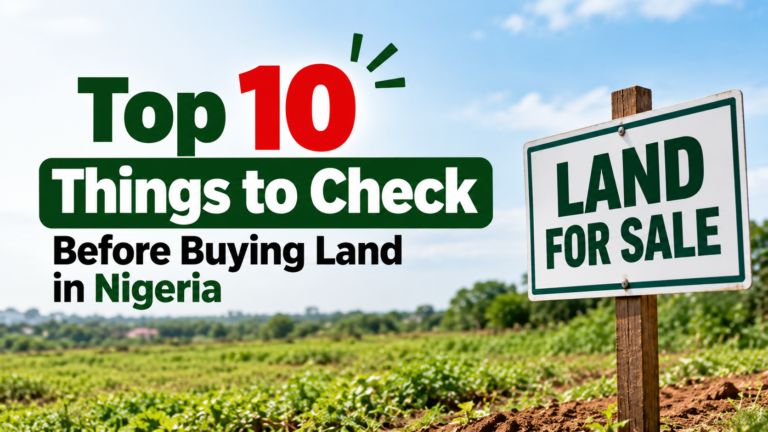
How to Buy Land in Nigeria Without Losing Your Money
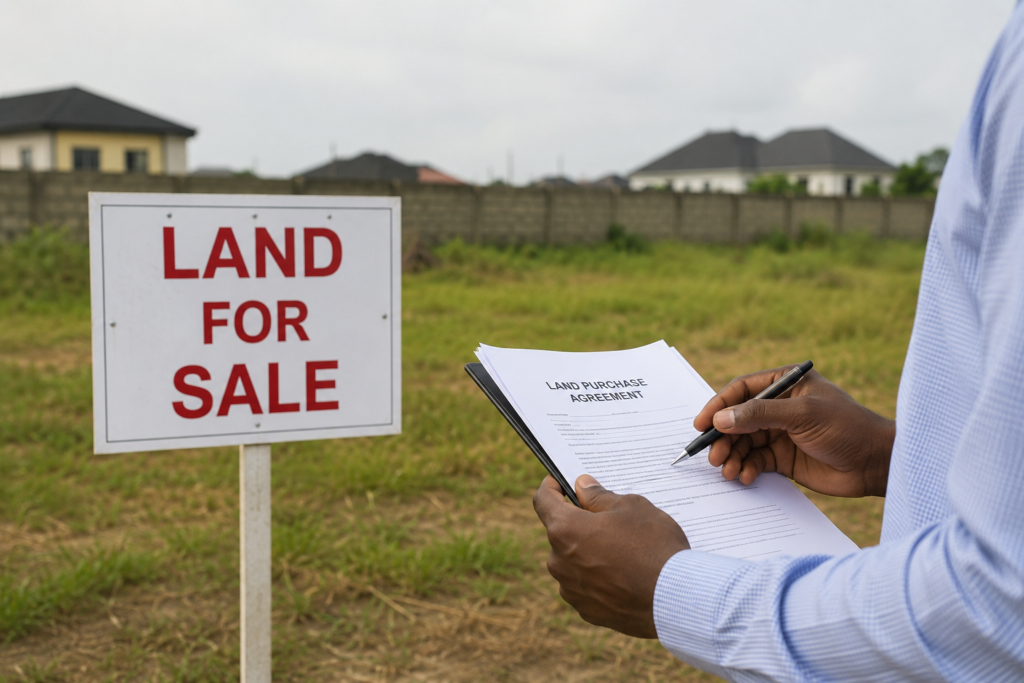
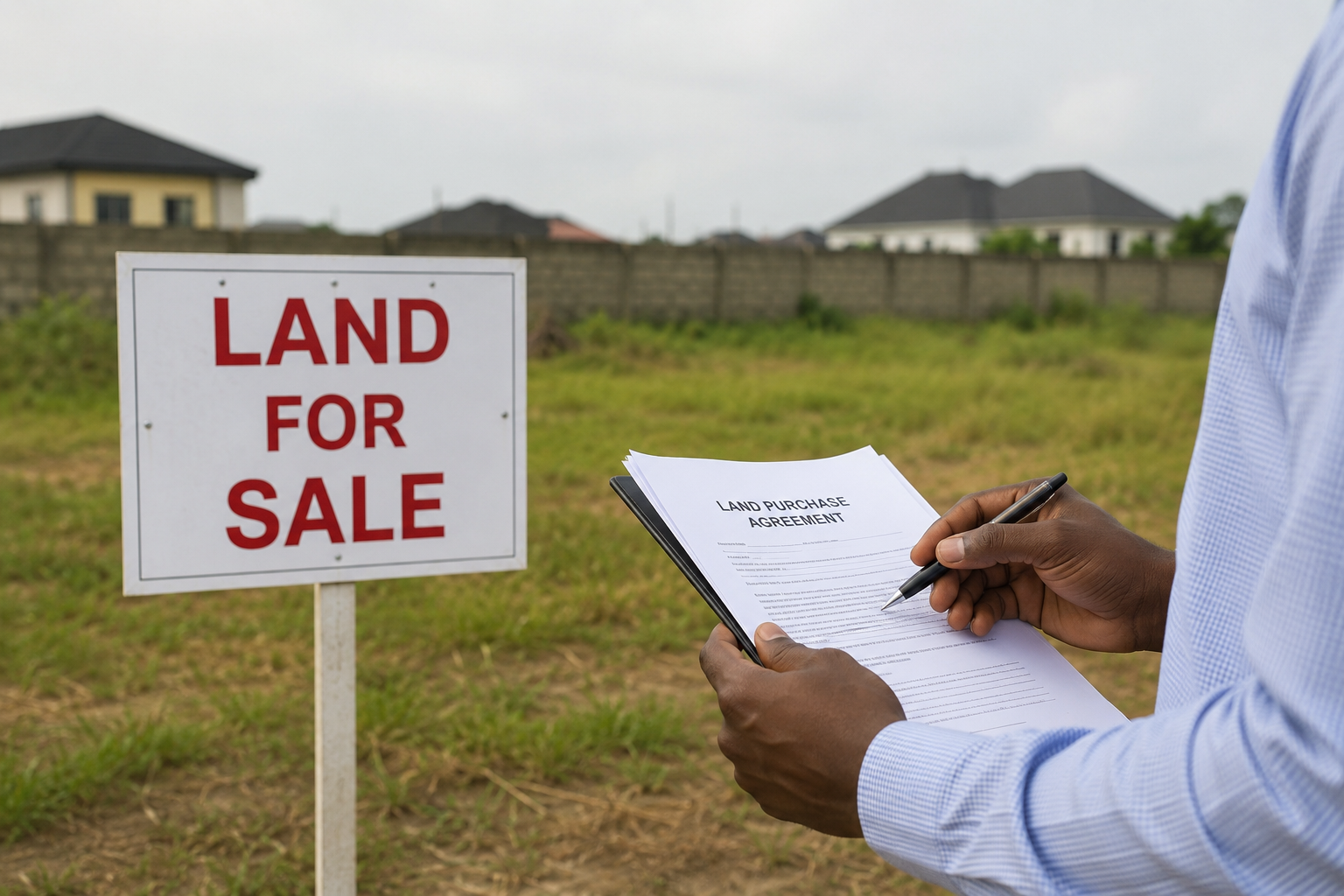
Buying land in Nigeria can be a smart investment, but it can also become disastrous if you do not carry out appropriate checks before paying. Every year, people lose millions of naira because they buy land with fake documents, purchase property from the wrong person or fail to verify the ownership and location of the land.
The good news is that you can significantly reduce the risk by following the right steps before making payment.
Whether you are buying land to build a house, start a business, farm or invest for the future, this guide explains how to buy land in Nigeria without losing your money.
1. Know Why You Want to Buy the Land
When looking for land, determine exactly what you want to use it for.
Are you buying residential land to build a house? Do you want agricultural land? Are you looking for commercial property or land for investment?
Your intention matters because some locations have restrictions on the type of development permitted. A piece of land that looks cheap may not be suitable for your intended project.
You should also consider the location, accessibility, road network, electricity, water supply, security, drainage and future development of the area.
Do not buy land simply because an agent tells you that the area will become “the next big thing.” Research the location yourself.
2. Deal With a Reputable Agent or Seller
One of the first steps to buying land safely in Nigeria is choosing who you deal with carefully.
Do not guess that someone is genuine simply because they have an office, social media page, signboard or impressive documents.
Ask questions about the seller’s identity and their authority to sell the property. If an agent is involved, find out who the actual owner is.
For professional assistance, consider using appropriately qualified and regulated property professionals. The Nigerian Institution of Estate Surveyors and Valuers (NIESV) is the professional body for estate surveyors and valuers in Nigeria.
Most importantly, do not allow an agent to pressure you into paying immediately.
A genuine property transaction should give you enough time to investigate the land.
3. Inspect the Land Physically
Never buy land based only on pictures, videos or a location pin sent through WhatsApp.
Visit the property yourself.
When you get there, check the surrounding area and confirm that the land actually exists. Look at nearby roads, buildings, landmarks and neighbouring properties.
You should also ask questions and confirm from people living around the area. They may know vital information about the history of the property, previous owners, family disputes or competing claims.
Physical inspection is particularly important because documents and descriptions can sometimes give a misleading picture of the actual property.
4. Verify the Survey Plan
A survey plan is one of the important documents you should investigate before purchasing land.
The survey identifies the location, dimensions and coordinates of the property. However, simply seeing a survey plan does not automatically mean that the land is safe to buy.
The survey should be properly checked with the relevant government authority in the state where the property is located.
The Surveyors Council of Nigeria (SURCON) regulates the surveying profession in Nigeria.
You should also confirm that the land is not affected by government acquisition, committed government schemes, roads or other public projects.
This is one reason it is important to work with a qualified surveyor instead of relying only on the seller’s agent.
5. Conduct a Proper Land Search
This is absolutely one of the most important steps before paying for land.
A land search helps determine whether the person selling the property genuinely has the legal right to sell it and whether there are existing interests or problems affecting the property.
Depending on the location and title involved, the appropriate land registry or government land administration office can help with title verification.
For example, the Abuja Geographic Information Systems (AGIS) advises property buyers to carry out due diligence on land titles and verify title records before completing transactions.
Do not depend on a photocopy of a Certificate of Occupancy, survey plan or other document provided by the seller.
Verify the document independently.
6. Understand the Land Documents
Many first-time buyers make the mistake of assuming that every property document means the same thing.
It does not.
You may come across documents such as:
- Certificate of Occupancy (C of O)
- Deed of Assignment
- Survey Plan
- Governor’s Consent
- Gazette
- Purchase Receipt
- Deed of Gift
- Allocation Letter
The appropriate documentation depends on the property’s history, location and type of interest being transferred.
For example, where a registered interest is being transferred, the relevant consent and registration requirements may apply. Akwa Ibom’s official land administration portal, for instance, explains that a Deed of Assignment is used for transfers and outlines requirements relating to Governor’s Consent and registration.
Do not buy land simply because someone says, “It has C of O.”
Ask a property lawyer to examine the documents and explain exactly what you are buying.
7. Hire a Property Lawyer
If you are spending a significant amount of money on land, hiring a lawyer is not an unnecessary expense.
It can save you from losing your entire investment.
A property lawyer can examine the title documents, conduct legal due diligence, investigate the seller’s authority and prepare or review the necessary agreements.
The lawyer can also help identify issues that an ordinary buyer may overlook.
Remember: paying a lawyer a reasonable professional fee before completing the transaction can be far cheaper than paying legal fees to recover millions of naira after a dispute.
8. Investigate Family or Community Land Carefully
Some land in Nigeria is owned or controlled by families, communities or other groups.
These transactions require extra caution.
If someone tells you that they are selling family land, do not plainly accept their explanation. Your lawyer should establish who has the authority to sell the property and whether the necessary family or community approvals have been obtained.
Where multiple people have an interest in the land, failing to obtain the necessary consent can create problems later.
Never assume that because one family member is willing to sell, everyone else agrees with the transaction.
9. Be Careful With Extremely Cheap Land
Everybody loves a good deal, but an unusually cheap property should make you investigate more, not less.
If similar plots in an area are selling for ₦20 million and someone offers you a supposedly similar plot for ₦5 million, ask why.
There could be a legitimate reason, but there could also be serious problems involving the title, location, accessibility or ownership.
Government authorities have warned about fraudulent property transactions, including fake documents, double allocation and the sale of properties that sellers do not actually own.
A cheap price should never replace proper due diligence.
10. Do Not Pay Everything Too Early
One of the largest mistakes a buyer can make is paying the full purchase price before completing the necessary checks.
Avoid transferring large amounts of money simply because an agent says another buyer is waiting.
Take your time.
Confirm the property. Verify the title. Inspect the land. Engage professionals. Review the agreement. Then proceed with payment according to properly documented terms.
Keep copies of receipts, agreements, bank transfer evidence, identification documents and other transaction records.
Whenever possible, make payments through traceable and properly documented channels.
11. Confirm the Land Is Not Under Government Acquisition
A major risk when buying land in Nigeria is purchasing property that falls within an area affected by government acquisition or public infrastructure plans.
A buyer may have a survey plan and a receipt and still encounter serious problems if the land’s status has not been properly investigated.
Official land agencies may have processes for determining whether a property falls within government-acquired land or public infrastructure areas. For example, AkwaGIS states that physical inspections are carried out to determine whether plots fall within government-acquired land or public utility infrastructure.
This is another reason why survey verification and government searches should happen before you commit your money.
12. Keep All Your Documents Safe
After completing the purchase, do not throw your documents into a drawer and forget about them.
Keep the original documents and multiple secure copies.
Your records may include the purchase agreement, Deed of Assignment, survey plan, receipts, title documents, identification documents and evidence of payment.
You should also follow up on registration and other post-purchase requirements applicable to your property.
For example, some state land offices require documents such as land agreements, receipts and registered survey plans when processing title applications.
Common Red Flags to Watch Out For
Be extremely careful if you encounter any of these warning signs:
- The seller refuses to show original documents.
- You are told not to conduct a land search.
- The seller insists on cash payment without proper documentation.
- The price is unbelievably low.
- You are pressured to pay immediately.
- The seller cannot clearly explain the ownership history.
- Different people claim ownership of the same property.
- The survey plan does not match the physical land.
- The seller says, “You don’t need a lawyer.”
- The agent refuses to allow independent verification.
Any one of these signs deserves further investigation.
Final Thoughts
Buying land in Nigeria does not have to be a frightening experience. The biggest mistake is rushing into a transaction because you are afraid of losing a “good deal.”
Take your time and investigate before you pay.
Inspect the property, verify the survey, conduct a title search, investigate the seller, understand the documents and involve a qualified property lawyer.
The Federal Ministry of Housing and Urban Development also operates a Housing Fraud Reporting Platform where citizens can report fraudulent real estate transactions and submit supporting evidence.
Most importantly, remember this simple rule:
Never pay for land you have not properly verified.
A few hours or days spent on due diligence can protect you from losing years of savings.